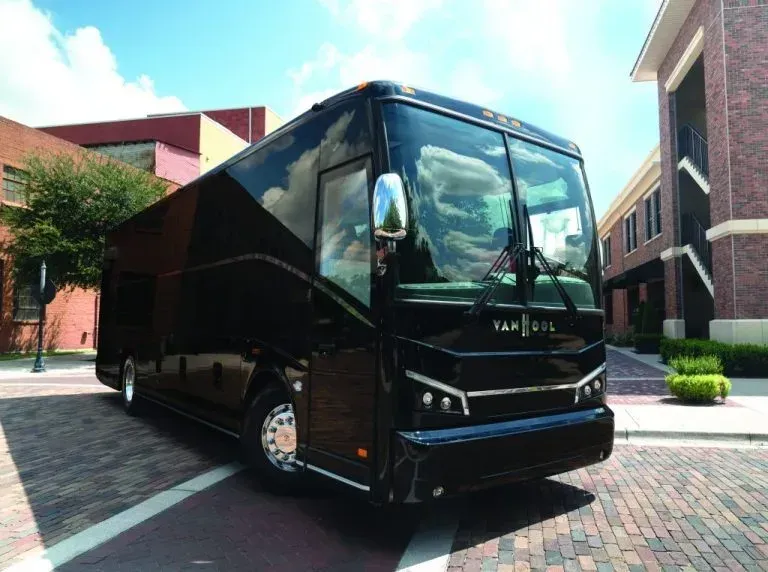
Planning transportation for a large group can easily become a demanding process when various schedules, pickup arrangements, and travel expectations need to be coordinated. Whether the occasion is a professional meeting, family event, social outing, or special gathering, coordinating punctual arrivals requires thoughtful organization. A structured transportation strategy helps reduce uncertainty, avoid delays, and enhance the overall experience for all travelers. By recognizing the essential aspects of group transportation management, organizers can develop a smooth travel experience from start to finish.
When sizeable groups travel collectively, transportation serves a purpose beyond merely moving passengers between destinations. It plays a valuable role in shaping the complete event experience. Effective coordination helps keep schedules on track, enhances communication among travelers, and supports a more comfortable trip. At A1 Quality Express Limousine, we understand the importance of creating organized transportation solutions that help groups travel with confidence and convenience.
Prepare Transportation Arrangements in Advance
Efficient group transportation begins by planning early. Postponing transportation decisions until the last moment can limit flexibility and make accommodations more challenging. Organizers should begin by determining the number of passengers, travel dates, estimated departure times, and destination requirements. Securing these details ahead of time helps build an effective transportation strategy that supports the overall schedule.
Proactive planning creates time to address concerns before they develop into larger obstacles. Various factors, including traffic patterns, pickup arrangements, accessibility requirements, and event schedules, may influence transportation decisions. Taking care of these elements early allows organizers to implement transportation plans that keep travelers moving effectively. Careful planning regularly produces more efficient travel experiences with fewer complications.
Understand the Specific Size and Needs of the Group
A key step in organizing transportation for large groups is identifying the exact size of the group and its unique needs. Precise attendance figures help support proper vehicle selection and reduce the risk of overcrowding or unused capacity. Coordinators should establish participant counts promptly and keep them updated throughout the planning process.
Apart from determining group size, attention should be given to the unique needs of participants. Certain passengers may need extra storage capacity, while others may require accessibility support or special arrangements. Awareness of these details supports transportation arrangements that better serve the group. Taking the time to gather comprehensive information helps create a more comfortable and efficient experience for all passengers.
Create a Detailed Transportation Schedule
A structured transportation timetable acts as a blueprint for all participants. Organizers should outline departure times, pickup locations, travel durations, arrival targets, and any planned stops along the route. A detailed itinerary reduces confusion and ensures everyone knows where and when they need to be. Strong consistency and clear planning are vital when organizing transportation for bigger groups.
Communication plays a significant role in making schedules effective. Every passenger should receive transportation details well before the event begins. Sending itineraries through communication channels ensures all passengers remain updated. When participants have clear expectations, transportation operations tend to run more smoothly and efficiently.
Set Up Central Pickup and Drop-Off Points
Working with many pickup locations can introduce avoidable challenges in coordination. Whenever feasible, planners should designate central pickup and drop-off locations that are convenient for everyone. Bringing participants together at one location streamlines boarding and reduces logistical delays. It also simplifies communication and improves overall efficiency.
Centralized locations provide additional benefits by making it easier to account for all travelers before departure. Organizers can verify participants, communicate updates, and clarify details before the trip starts. This organized approach helps ensure that everyone is prepared and that transportation operations stay on schedule. Well-defined meeting areas contribute to efficient and organized transportation.
Focus on Consistent Communication During Planning
Good communication is one of the key components of coordinated group travel. Participants should be updated regularly on schedules, pickup details, travel expectations, and any modifications. Reliable information ensures passengers can prepare without uncertainty. Good communication improves operational flow and traveler satisfaction.
Organizers should establish reliable methods for sharing updates before and during the event. Designated contacts and digital communication tools help spread updates quickly. In the middle of any successful transportation plan, communication remains the connecting element that keeps everyone informed and aligned. Ongoing communication supports confidence and limits disruptions.
Anticipate Unforeseen Situations
Even the most organized transportation plans can experience surprises. Weather issues, traffic delays, schedule changes, and participant lateness may require fast decisions. Flexibility within planning improves the ability to handle sudden changes. Good preparation improves resilience during unexpected changes.
Contingency planning should include backup communication methods, alternate routes when appropriate, and designated points of contact who can assist with decision-making. Established procedures help minimize stress and ensure structured responses to challenges. Forward planning ensures transportation continues smoothly even when changes are required.
Put Passenger Comfort and Convenience First
Comfort is party bus services a major factor in the overall travel experience. Long travel durations for groups increase the importance of comfort and convenience. Comfortable seating, structured boarding, and a well-managed environment contribute to a positive travel experience. Passenger comfort increases enjoyment and readiness upon arrival.
Convenience also plays a key role in effective transportation planning. Easy boarding systems, clear directions, and efficient scheduling reduce complications. Thoughtful coordination allows travelers to enjoy the event freely. A smooth and convenient trip often improves the overall success of the event.
Work with Experienced Transportation Professionals
Handling group transportation requires managing many elements, making expert support important. Skilled transport professionals understand scheduling, passenger flow, and efficient operations. Their skills assist in managing logistics while keeping operations organized.
Professional providers contribute valuable knowledge that strengthens organization. Their expertise in group travel supports proactive problem-solving. By relying on professional experience, planners can focus on the event while logistics are handled carefully.
Make Group Transportation Part of the Event Experience
Transport should be seen as an extension of the overall experience, not only a means of movement. Proper coordination gives travelers time to unwind and connect before reaching their destination. When well organized, transportation enhances the overall experience and creates a welcoming environment.
At A1 Quality Express Limousine, we believe effective group transportation starts with careful planning, clear communication, and dedication to passenger satisfaction. Group transportation becomes manageable when structured methods are followed. Strong organization and preparation create smooth journeys that support event success. We take pride in helping create smooth transportation experiences that allow every passenger to travel with confidence and peace of mind.